

Dr. Russell Blaylock, M.D., writes:
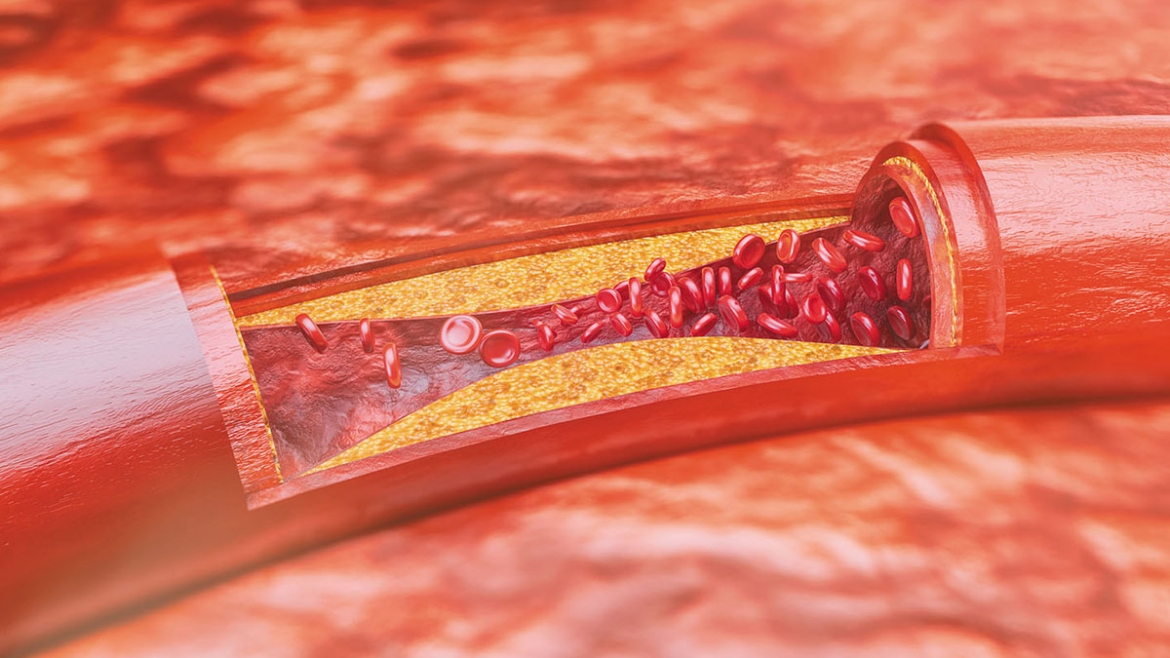
In addition to a proper diet, exercise is important for preventing atherosclerosis. Vigorous exercise is preferred, but the levels of exercise depend on a person’s age and degree of fitness. For instance, famed fitness guru Jack LaLanne could still do extreme exercises at age 90. Most people would have to exercise at lower levels even before that age. All exercise is beneficial, but resistance exercises that build muscle are the best type. Running and jogging are the most hazardous, especially if they are done to an extreme degree.
Special: Coronary Heart Disease: 5 Tips to Reduce Your Risk
A high intake of antioxidant foods and supplements should be part of an exercise regimen. Depending on the intensity of the exercise, levels of free radicals can increase dramatically throughout the body for hours afterward. Exercise also stimulates the production of the antioxidant network, improves blood flow, improves lymphatic flow, strengthens ligaments, hardens bones, improves oxygenation and lung function, and stimulates brain repair and synaptic connections. The benefits of exercise are almost endless. Drinking adequate amounts of fluid is also critical. Many older people drink an inadequate amount of fluids; this can make the blood sluggish and prone to clotting, as is seen with strokes and heart attacks.
Dehydration also impairs the lymphatic system, which is critical for clearing waste from tissues. I suggest drinking at least three cups of white tea a day and filtered or distilled water in between. There are a number of special berry teas and herb teas that are beneficial and can be brewed along with the white tea to improve the taste. However, you should avoid all fluoride-containing water and other products. In addition, a growing number of plant extracts — available as supplements — are being found to reduce risk of heart attacks and strokes, and atherosclerosis in general. These include:
Curcumin – Quercetin – Kaempferol – Luteolin – Apigenin – Aged garlic extract – Grape seed extract – Resveratrol – Magnesium Vitamin D3 also plays a major role in reducing inflammation in blood vessels; when taken over a long period of time, it can significantly reduce risk of a stroke.
Dr. Russell Blaylock, author of The Blaylock Wellness Report newsletter, is a nationally recognized board-certified neurosurgeon, health practitioner, author, and lecturer. For 26 years, he practiced neurosurgery in addition to having a nutritional practice. He recently retired from his neurosurgical duties to devote his full attention to nutritional research. Dr. Blaylock has authored four popular books.